There is a quiet fear running through many homes today
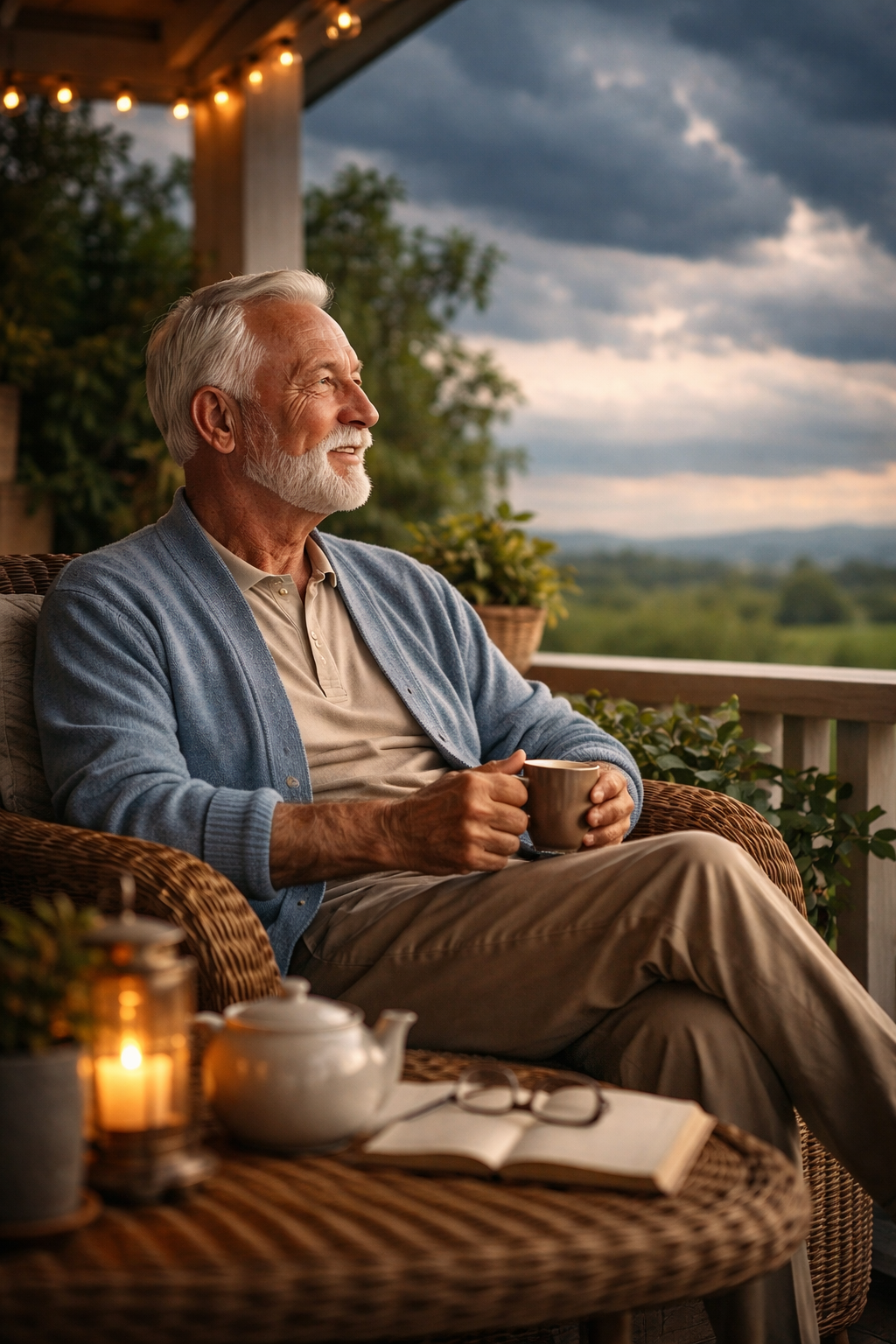
You may not speak about it openly. You may not even name it clearly. But somewhere beneath the daily routine — the school runs, the meetings, the groceries — there is a low hum of worry that doesn't fully leave.
Will things be okay? Will my job last? Will prices keep rising? Will my children find their place in a world that seems to shift faster than we can understand?
This is not panic. It is not weakness. It is something far more common — a background fear of survival that many families carry quietly, without knowing how to put it down.
The world feels uncertain — because it is
Tensions between nations rise and settle and rise again. Energy prices move unpredictably. Gold, once a symbol of stability, now reflects how anxious the world has become. Technology reshapes industries overnight, and what felt like a secure career five years ago may not feel the same today.
And then there is the deeper, more personal layer — the thought that perhaps we are becoming irrelevant. That the skills we spent decades building may not matter in the years ahead. That the world our children will inherit looks nothing like the one we prepared for.
These are real feelings. They deserve to be acknowledged, not amplified.
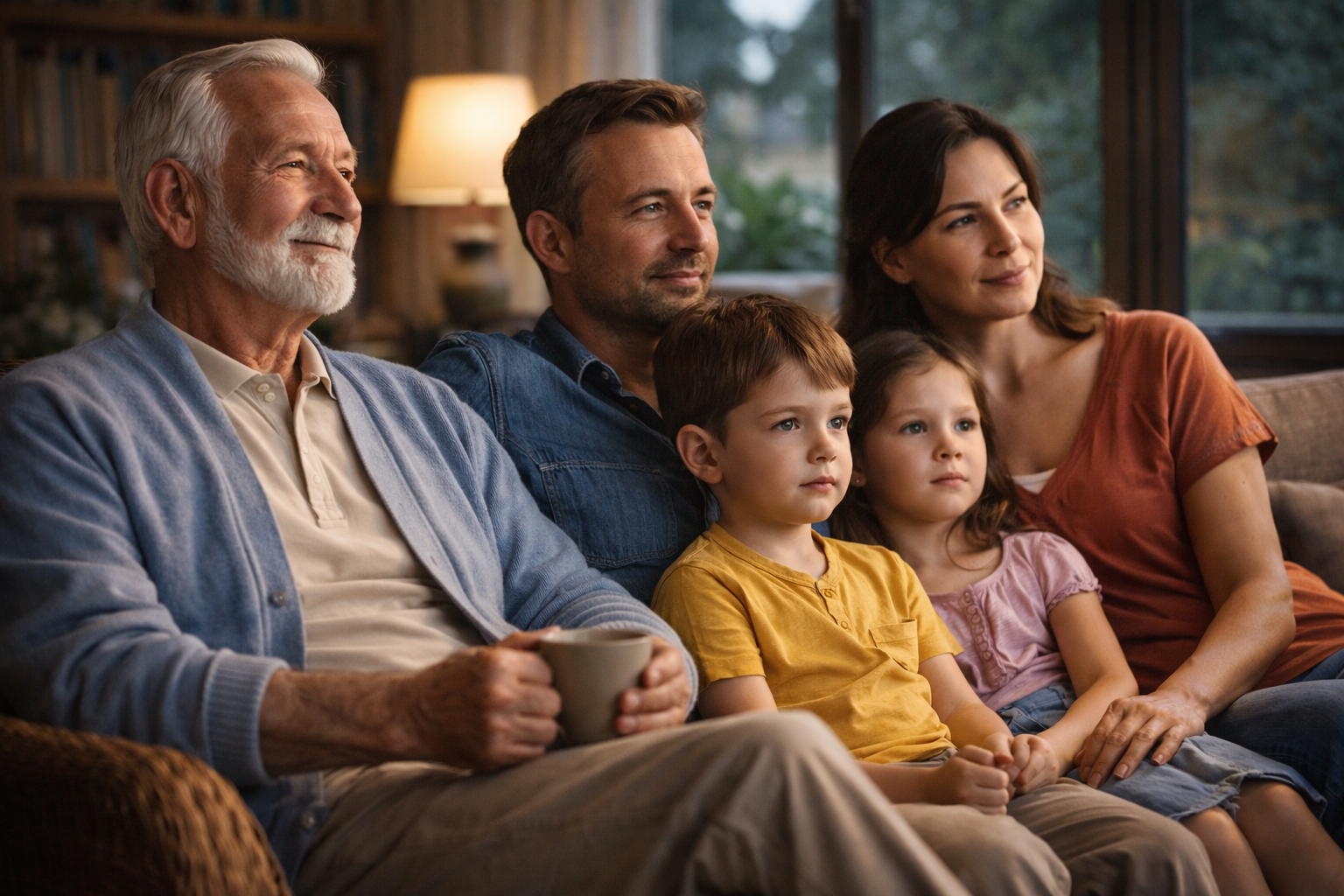
Our grandparents lived through uncertainty too — perhaps more
Think about the generations before us. They faced wars, famines, displacement, and loss that most of us have only read about. And yet, something was different. They did not carry the kind of constant, low-grade anxiety that seems to define modern life.
It wasn't that they were unaware. It wasn't that they didn't feel fear. But they had something we are slowly losing — the ability to hold fear without being consumed by it.
Part of that came from within — a certain acceptance that life moves in seasons, and not every season demands alarm. But a large part of it came from something outside of them too — the presence of an elder in the home.
The quiet power of a calm elder
There was a time when most homes had a grandmother, a grandfather, or an older relative whose very presence changed the air in the room. They didn't give lectures. They didn't offer complex strategies. They simply sat, listened, and responded with a steadiness that came from having lived long enough to see the world turn many times.
When the younger adults in the family felt overwhelmed by a job loss, a financial setback, or a wave of fear about the future — the elder didn't panic with them. They offered perspective. Not because they had solutions, but because they had seen enough to know that most storms pass.
That kind of emotional anchoring is rare now. And its absence is felt — even if we don't always recognise what's missing.
A mature elder in a family does not just add years. They add patience over reaction. They add memory over impulse. They remind everyone, simply by being there, that this moment — no matter how turbulent — is not the whole story.
What our children are quietly absorbing
Here is something worth sitting with: children do not just inherit our wealth, our education, or our opportunities. They inherit how we respond to fear.
When a child watches their parent scroll through alarming headlines and tense up at the dinner table — they absorb that tension. When they overhear late-night conversations filled with worry about money, jobs, or the future — they learn that the world is a place to be afraid of.
They don't learn this through words. They learn it through atmosphere.
And this is not said to create guilt. It is said because awareness can change the pattern. If we notice how we carry fear, we can begin to carry it differently — and that shift becomes something our children inherit too.
Think of the decades ahead. The children of today will face complexities we can barely imagine — new forms of work, new pressures, new uncertainties that don't yet have names. What will serve them most is not a perfect plan for the future, but the emotional steadiness to face whatever comes.
And that steadiness begins with what they see in us — right now.
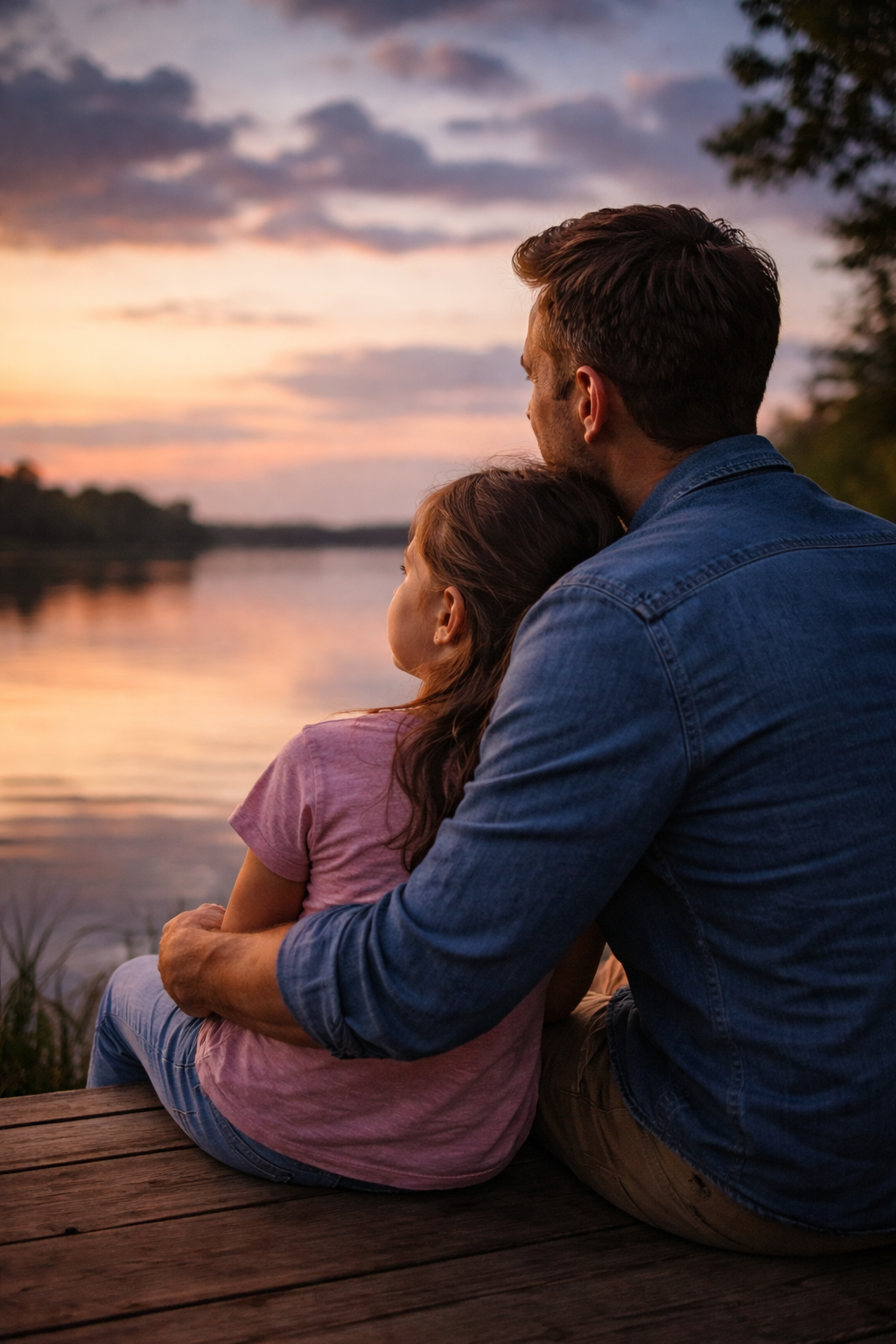
Survival fear quietly shortens life
We speak often about living 120 years. About the body's design, about food, about movement and rest. All of that matters deeply. But there is another dimension that is rarely spoken about — the toll of unmanaged fear on a long life.
When the body lives in a state of constant low-level alarm — cortisol stays elevated, sleep becomes shallow, digestion weakens, and the heart works harder than it should. Not because of any single crisis, but because of the quiet, ongoing weight of worry that never fully lifts.
Living 120 years is not just a matter of eating well and exercising. It requires emotional resilience — the ability to face difficult seasons without letting them settle permanently into the body. It requires mental steadiness — the willingness to stay present instead of spiraling into imagined futures. It requires calm decision-making, especially when the world around feels chaotic.
Unmanaged survival fear does not announce itself. It works quietly, year after year, ageing the body from the inside. And the opposite is equally true — awareness, stability, and a grounded inner life quietly extend the years we are given.
Learning to stay — not fight, not flee — but stay
Our elders knew something we are still learning: that survival is not about constant alertness. It is not about reading every headline, preparing for every scenario, or tensing against every possibility.
Real survival — the kind that sustains a life across many decades — is about learning how to stay calm in a world that is always changing. It is about holding uncertainty without letting it run the body or the mind.
This is not passive. It takes practice. It takes awareness. And it takes the quiet courage to let go of the illusion that if we worry enough, we can prevent what's coming.
Our grandparents didn't have that illusion. Perhaps that's why they slept more peacefully than we do.
A gentle reminder
The world has always been uncertain. It will continue to be. What changes is how we meet that uncertainty — and what our children learn from watching us meet it.
Long life does not begin with a perfect diet or a flawless routine. It begins with learning how to live through turbulent times without letting fear become the loudest voice in the room.
Why not 100 years? Why not 120? Not by outrunning fear — but by learning, gently, to sit beside it and still choose to live fully.